Many organisations feel confident about their cybersecurity posture. Security tools run continuously, alerts appear when something unusual happens, and IT teams monitor activity across the network. On the surface, everything looks secure. Yet small gaps can still exist across identities, endpoints, or network controls. When those gaps go unnoticed, they can expose organisations to serious cyber risks.
BluechipIT works closely with partners across Australia by providing access to enterprise cybersecurity solutions from leading vendors. As a cybersecurity distributor, BluechipIT supports cyber security resellers and MSP network security providers with solutions that strengthen firewall & network protection and improve cyber protection strategies.
In this article, we look at why cybersecurity posture matters for modern enterprises. We’ll also explore common security gaps that organisations overlook and explain how a quick two-minute security posture assessment can reveal hidden risks.

Why Cybersecurity Posture Matters for Modern Enterprises
Cybersecurity posture describes how prepared an organisation is to defend against cyber threats. It reflects how well systems, networks, and users are protected.
Maintaining that posture is becoming harder.
Enterprise environments now stretch across cloud platforms, on-premise systems, and remote devices. Employees work from different locations. New applications appear frequently. All of this improves flexibility, but it also expands the attack surface.
In simple terms, there are simply more doors attackers can try.
Because of this, visibility across the entire environment becomes essential. Security teams need to understand what devices connect to the network and how systems interact. This is where a regular network security assessment or cyber security assessment becomes important for identifying potential vulnerabilities early.
Cyber incidents also carry serious financial consequences. According to IBM’s Cost of a Data Breach Report, the global average cost of a data breach is USD $4.4 million.
This figure highlights a common challenge. Many organisations do not notice vulnerabilities until something goes wrong.
Sometimes the issue is surprisingly small. For example, a user may keep access to a system after changing roles. Over time, simple oversights like this increase risk.
A strong cybersecurity posture therefore depends on several things working together. Organisations need visibility across networks and devices. They also need reliable firewall and network protection, effective monitoring, and clear governance policies.
When these elements align, organisations can detect threats sooner and respond more effectively.
Common Security Gaps That Organisations Overlook
Even organisations with strong security programs can overlook certain vulnerabilities. Routine monitoring often focuses on obvious threats, while smaller issues remain hidden.
A cybersecurity posture assessment often reveals these gaps and may form part of a broader IT security risk assessment process.
Identity and Access Management
Identity systems often become the first target during cyber attacks. Weak authentication methods or excessive user privileges increase risk.
Regular access reviews help reduce exposure.
Endpoint Security
Endpoints remain one of the most common entry points for attackers. Unpatched devices or unmanaged laptops can expose networks to threats.
This happens more often than many organisations expect.
Network Security
Network protection forms the backbone of enterprise IT security. However, outdated firewall rules or limited network visibility can expose sensitive systems.
Strong firewall and network protection reduces these risks significantly.
Monitoring and Threat Detection
Security teams sometimes rely on several tools that operate separately. When those tools do not share information effectively, suspicious behaviour can remain unnoticed.
And when detection takes longer, the damage often increases.
Security Policy and Governance
Security policies may differ across departments. Over time, inconsistent practices weaken the organisation’s overall risk posture.
For cyber security resellers and MSP providers, identifying these gaps creates opportunities to improve customer protection strategies.
Why Cybersecurity Assessments Are Valuable for Partners
Cybersecurity assessments provide clear value for both partners and customers.
First, they open meaningful conversations about security. Many organisations believe their environment works correctly until a structured review highlights potential risks.
Second, assessments help partners identify vulnerabilities earlier. Early detection allows organisations to fix issues before incidents occur.
Third, assessments demonstrate expertise. Customers appreciate partners who can explain risks in simple terms.
Finally, assessments support long-term enterprise cybersecurity strategy. They help organisations prioritise improvements across identity protection, monitoring, and network security while selecting the best enterprise cybersecurity software for their environment.
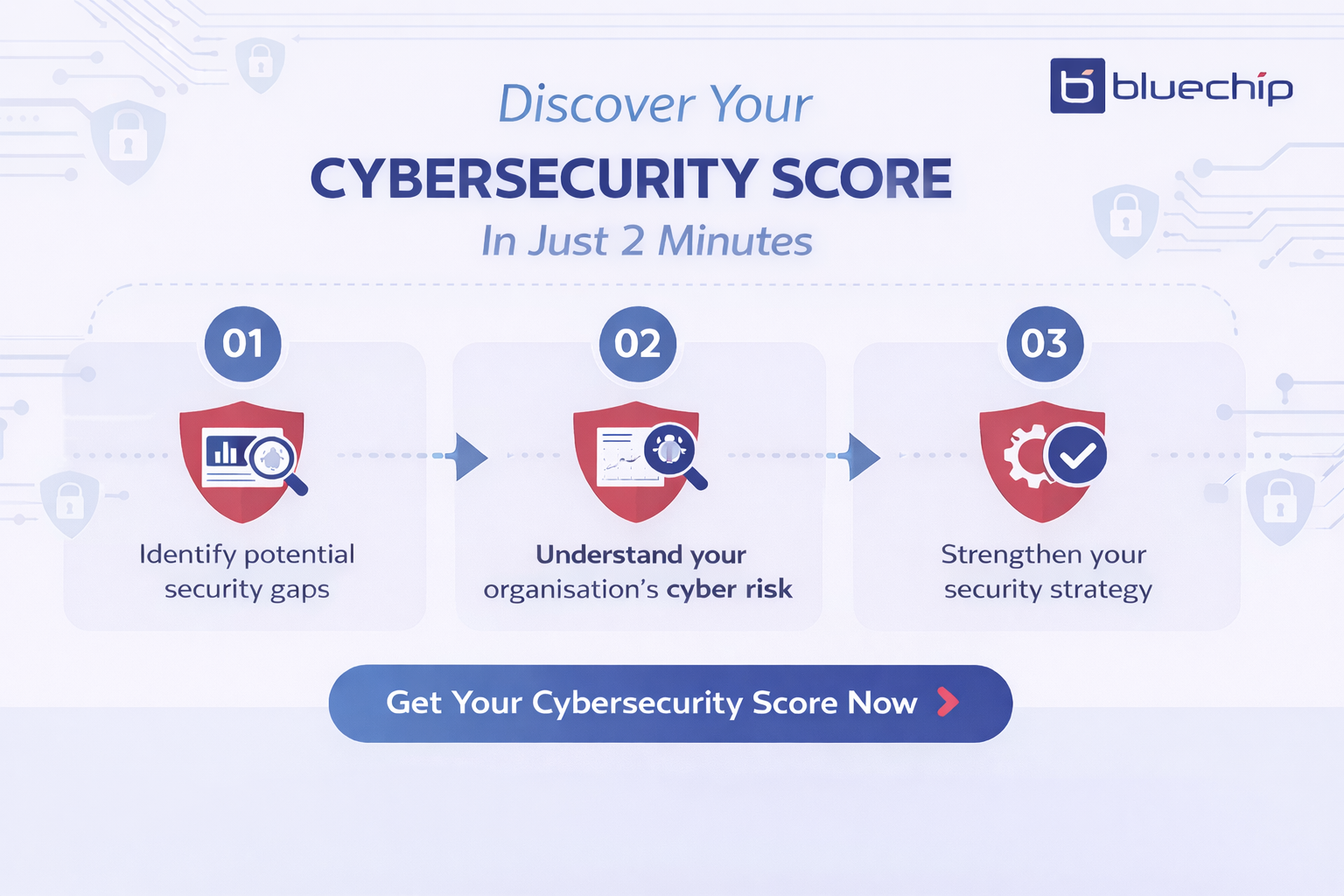
Partners who want to better understand their customers’ security readiness can start with a quick cybersecurity posture check. This simple assessment helps identify potential gaps across identity, endpoints, and network protection.
👉 Take the 2-Minute Cybersecurity Posture Assessment
Evaluate Your Cybersecurity Posture in Under 2 Minutes
Security reviews often sound complex. Many organisations assume they require lengthy audits or specialised assessments.
In reality, the first step can be simple.
A short cyber security posture assessment provides a quick snapshot of the current environment. Within minutes, organisations can better understand their security maturity.
This type of cyber security risk assessment tool can help organisations:
- identify potential vulnerabilities
- review current security controls
- understand their risk posture
- begin planning improvements
Even a short cyber security assessment can highlight areas that deserve closer attention.
Sometimes the results surprise people.

How Bluechip IT Supports Cybersecurity Resellers
Delivering strong cyber protection requires more than technology. Partners also need the right vendor ecosystem and reliable support.
BluechipIT works with cyber security resellers and MSP network security providers across Australia. As an IT security distributor, the company connects partners with enterprise cybersecurity vendors and solutions designed for modern environments.
These technologies help protect several critical areas, including:
- firewall and network protection
- endpoint and identity security
- monitoring and threat detection platforms
With the right solutions in place, partners can build stronger enterprise cybersecurity strategies for their customers.
Take the Cybersecurity Posture Assessment
Many organisations assume their cybersecurity posture is already strong. However, hidden vulnerabilities often remain across systems and networks.
A quick cybersecurity posture assessment can reveal these gaps.
Evaluate your organisation’s cybersecurity score in under two minutes and gain useful insight into your current security environment.
Ready to Strengthen Your Cybersecurity Posture?
Understand where your organisation stands and uncover potential security gaps in minutes. Take the quick cybersecurity assessment and gain insight into your enterprise security readiness.
Get Your Cybersecurity Score Now >>